Mental Health World Conference 2026
Speakers - MHWC2026
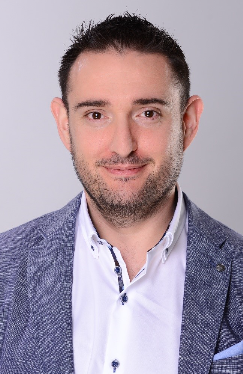
Liron Pepshi
Liron Pepshi
- Designation: Centre Hospitalier Neuro Psychiatrique (CHNP), Department of Addictology
- Country: Luxembourg
- Title: Leading Beyond Pathology A Salutogenic Framework for Mental Health Leadership
Abstract
Mental health care is predominantly shaped by a pathogenic perspective, emphasizing symptoms, diagnoses, and risk factors. While this approach is indispensable, it often overlooks an equally important dimension of sustainable mental health care: meaning, coherence, and the activation of individual and professional resources. This conceptual presentation revisits the salutogenic model developed by Aaron Antonovsky and explores its relevance for contemporary mental health practice and leadership.
Based on clinical and leadership experience across different healthcare systems in Kosovo, Germany, and Luxembourg, the presentation illustrates how salutogenesis can be translated from a theoretical construct into a practical and reflective framework. Rather than focusing on empirical data, the talk adopts a narrative based approach, highlighting the historical background of salutogenesis, its core principles, and its applicability to everyday clinical work, team leadership, and professional self reflection.
Welcome to the Mental Health World Conference (MHWC 2026)
Join us in advancing the frontiers of mental wellness at this globally renowned event de ...
Read More>>
Organizer
